
As we cross into the second half of 2026, the Malaysian EV landscape is a bloodbath. With brands like BYD, Xpeng, Zeekr, and Leapmotor aggressively undercutting each other week by week to capture market share, the consumer is seemingly the winner. You can now get a brand-new, high-tech EV for the price of a mid-spec B-segment sedan. But there is a massive casualty hidden in the background: the second-hand EV market.
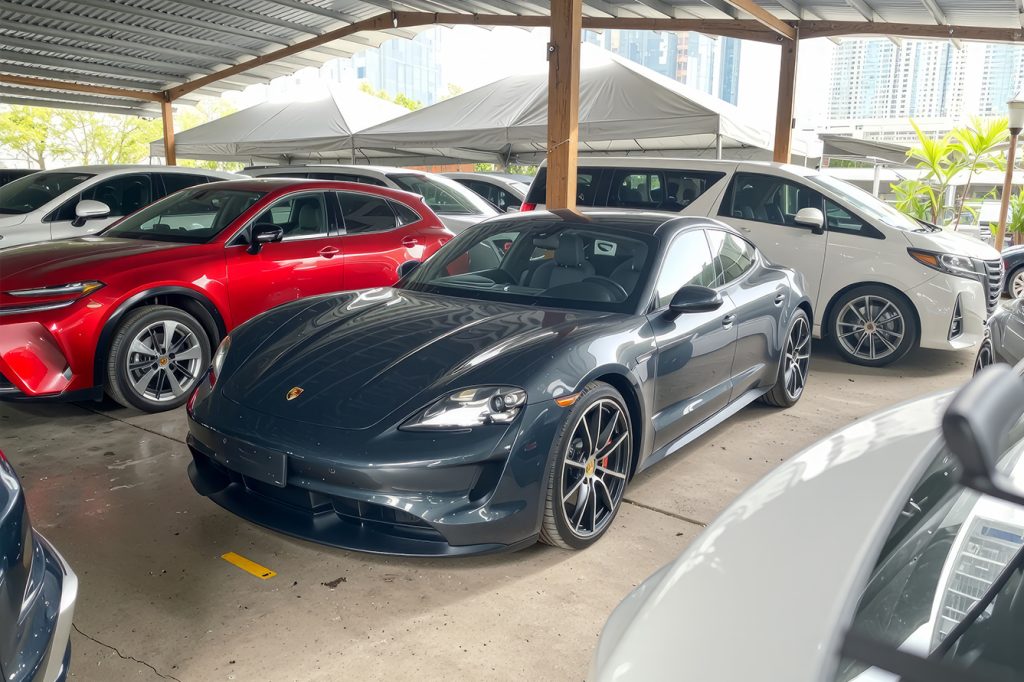
Walk into any major used car dealership in the Klang Valley right now, and you will see 2023 and 2024 EVs sitting on the lot collecting dust. Early adopters who paid a premium two years ago are facing depreciation hits of up to 40-50%.
Why? Because nobody wants to buy a used 2023 EV for RM 110,000 when a brand-new 2026 model from a competing Chinese brand with double the processing power, faster charging, and a fresh 8-year battery warranty, but costs exactly the same. The rapid evolution of battery tech is making 3-year-old cars feel obsolete.
For The First-Time Buyer: Seeing a used EV drop below the RM 70k mark is incredibly tempting. But this is a trap. Second-hand EV buyers often do not inherit the full benefits of the original battery warranty. If that battery fails out of warranty, a RM 40,000 replacement bill will instantly bankrupt you. Stick to reliable, new ICE vehicles or entry-level local EVs with fresh warranties.
For The Executive: If you are shopping in the RM 200k+ premium EV bracket, do not buy outright. The tech is moving too fast. Look into corporate leasing or guaranteed future value (GFV) financing programs. Let the banks absorb the depreciation risk when you want to upgrade to solid-state batteries in 2028.
If you are buying an EV in mid-2026, you must buy it to drive it into the ground, not to sell it in three years. The era of Honda/Toyota-level resale value does not apply to the current electric market. Protect your pocket.

© 2026 Carmunity. All Rights Reserved