The Dead Battery Panic
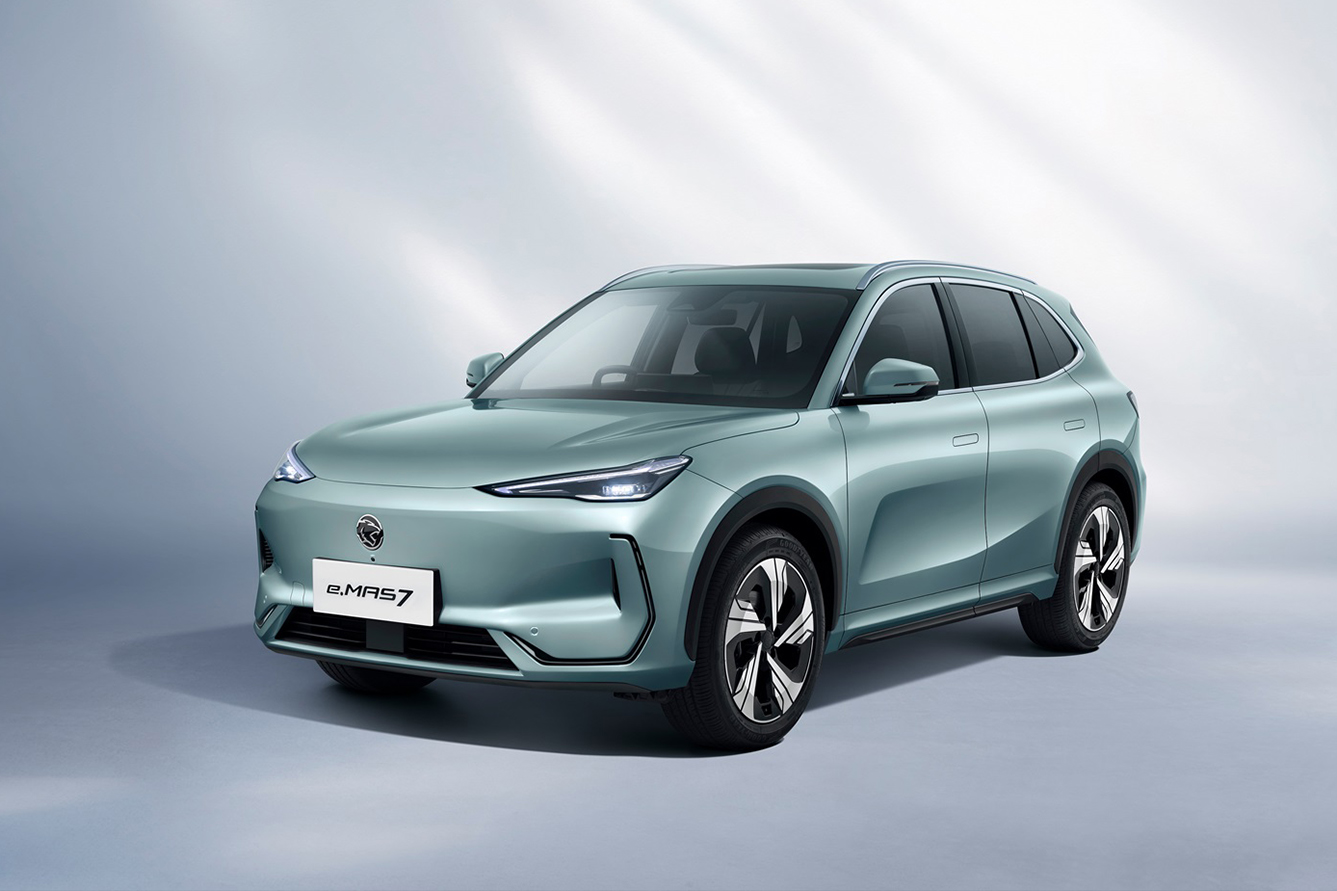
A lot of people say a PHEV with a dead battery is just scrap metal. I didn’t believe it, so I put it to the test. A huge thanks to the Proton e.MAS Sungai Besi dealer for trusting us with this car for a week.
I started the climb up Genting with only 15% battery. If you leave the aircon running, the battery percentage just keeps dropping because the engine does not auto-charge fast enough. Going up the mountain, the battery hovered between 17% and 18%. While the car technically still had pulling power, I didn’t dare step hard on the accelerator. The engine sounded incredibly strained and loud, and there was a sensation that the tires were struggling for grip under the heavy load. Without battery, climbing the mountain is pure pressure and torture.
The ACC & Highway Tech
In stark contrast to the mountain climb, driving in standard KL traffic is where the e.MAS 7 shines. Cruising between 90 to 100 km/h, the Adaptive Cruise Control (ACC) is exceptionally smooth. I can confidently say it is at least twice as smooth as the Proton X50.
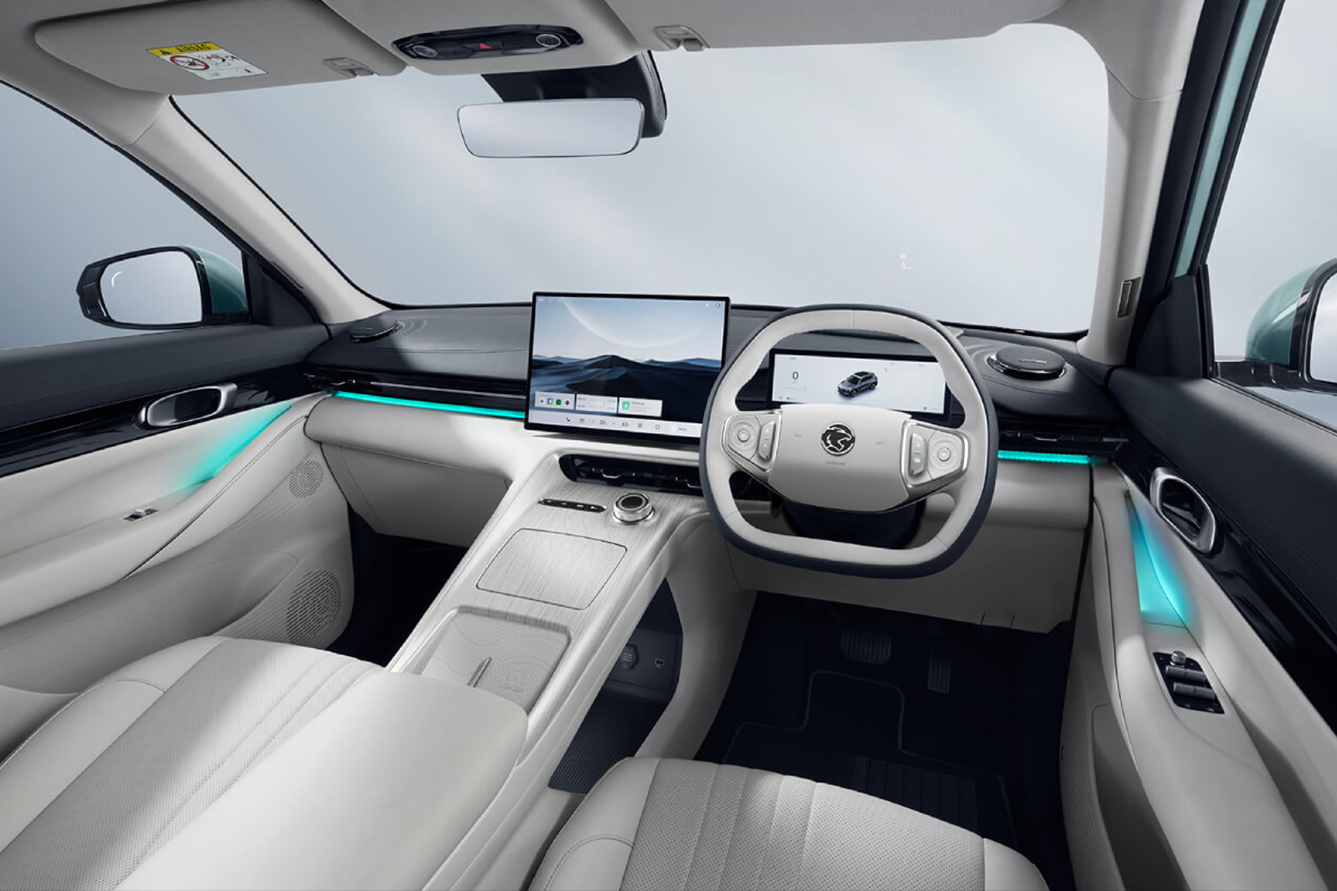
The Head-Up Display (HUD) is another massive win. It is crystal clear and actively integrates Waze navigation prompts and distances directly onto the windshield. The Chinese automotive tech in this cabin is not a gimmick. In this car it works flawlessly in real-world traffic.
The Real Poket Factor
Here is where the PHEV magic happened. Climbing the mountain with a dead battery spiked the fuel consumption to a painful 10.6 L/100km. But coming down the mountain, the regenerative braking was phenomenal. The battery jumped by 8% almost instantly. By the time we reached mid-hill for dinner at Loong Kee Restaurant, the battery had doubled.
Without plugging into a single charger, the car’s auto-life-saving feature secretly recharged the battery all the way to 47% by the time we got down.
I arrived home with 40% battery remaining. The total trip was 158.5 km over 4 hours and 2 minutes, with an average speed of 39 km/h. The final average fuel consumption? A highly impressive 5.4 L/100km. Yes, that’s still less than the official claim but who’d ever trusted that anyway?
The Force-Charge Rule
This car has a temper. If you understand it, it’s a great car; if you don’t, you will hate it. My absolute biggest warning to future owners: Never go up Genting or steep hills with a depleted battery.
But what exactly is ‘Force Charging’? In a normal hybrid mode, the car’s computer decides when to use the petrol engine and when to use the battery. ‘Force Charging’ (or Intelligent Charge Saving Mode) is a setting in the infotainment screen that overrides the computer. It forces the petrol engine to act like a heavy-duty generator. Instead of just using fuel to move the car forward, the engine works extra hard to rapidly pump electricity back into the battery.
You must manually activate this and set the target to 60% or 70% before you reach the mountain base. Why? Because climbing a steep hill requires peak power from both the engine and the battery working together. If the battery is dead, the 1.5L engine has to drag a heavy SUV up Genting all by itself, which is why it struggles and screams.
If you climb with sufficient electric power stored up, the e.MAS 7 is an absolute joy. Manage the battery, and the car rewards you.